
Fire-Wise Landscaping and How to Protect Your Home
In March, Thornton declared Stage 1 Drought Restrictions due to record-low snowpack in the upper South Platte and Clear Creek watersheds that supply Thornton’s water. With drought and rising temperatures comes the potential for increased fire danger this year and beyond. Residents are encouraged to consider both water-wise and fire-wise landscaping strategies to help reduce their water use and protect their homes and businesses.
What is Fire-Wise Landscaping?
During drought, grasses and other plants dry out faster than normal, making them easier to ignite. Water-wise and fire-wise landscaping practices work together to create landscapes that are naturally resistant to fire and can help reduce the intensity or impact of fire damage. From initial design to plant selection and routine maintenance, your landscaping can save water and protect your home.
Planning with Defensible Space
Creating a fire-wise landscape starts with the area around your home, called the defensible space. Defensible space creates a buffer between your home and potential fire sources, helping slow the spread of fire and reducing the chances of it reaching your home or other important structures.
Your home is in an area often referred to as the home ignition zone (HIZ), which extends up to 100 feet from your home and includes nearby structures such as garages, sheds, and fences. While you can’t control the proximity of other homes and fencing within this space, you can make thoughtful landscaping choices to decrease fire risk and impact.
Defensible space is divided into three zones, each with a specific purpose:
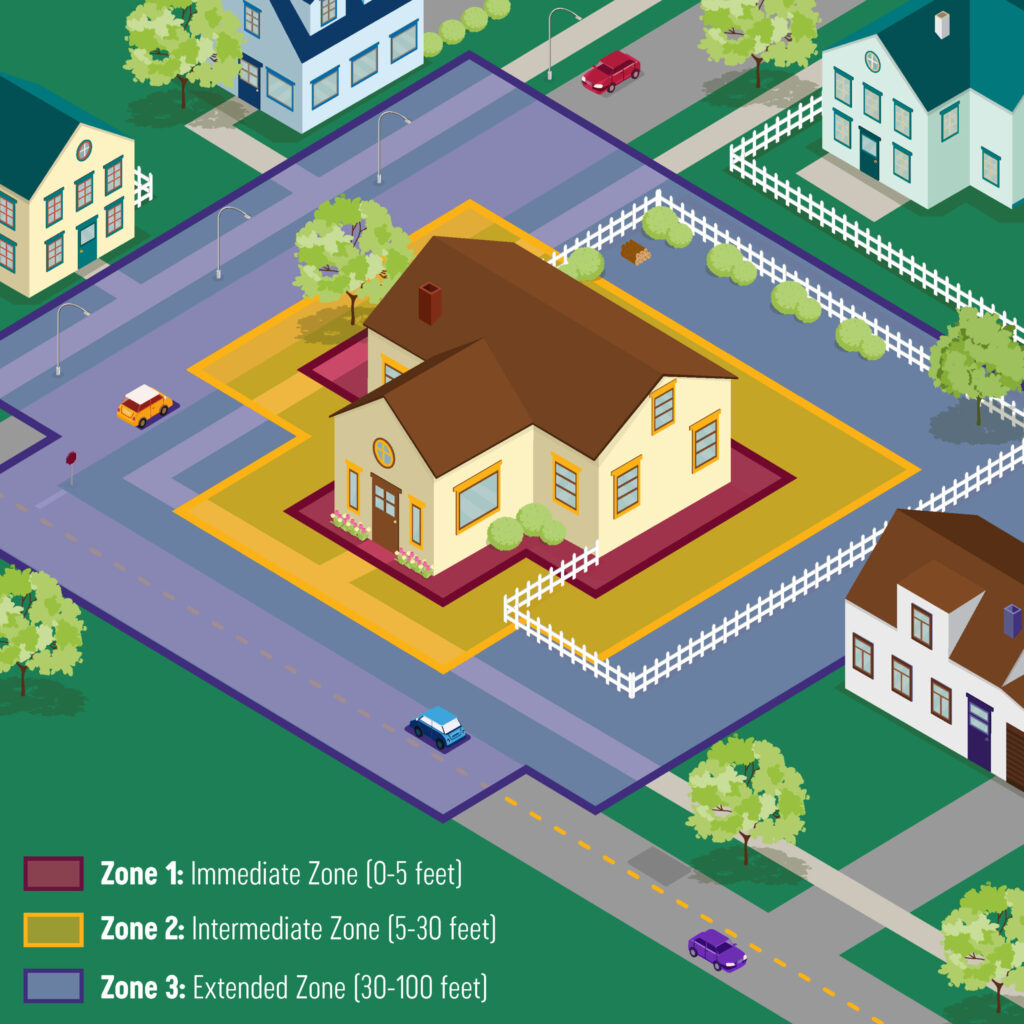
Zone One: Immediate Zone (zero to five feet)
The area closest to your home, called the immediate zone, is the most critical area to keep fire-resistant. Reducing the number of flammable materials in this zone is the best way to prevent a fire from reaching your home. In this area:
- Avoid planting or mulching directly next to structures, as these materials may ignite more easily from flying embers.
- If you include plants in the immediate zone, choose water-wise plant varieties. These plants often require less water, have higher long-term moisture content, and contain fewer oils or resins that fuel fires. Many Colorado-native plant varieties are naturally fire-resistant and provide a wonderful habitat for local pollinators.
- When possible, use non-combustible hardscaping materials, such as gravel or stone, to create a space around your home.
- Regularly remove dead leaves, pine needles, and debris from patios, gutters, vents, and roofs.
- Avoid storing items underneath decks or porches.
- Move woodpiles at least 30 feet away from existing structures.
- Avoid using plant pots or landscaping as an ashtray.
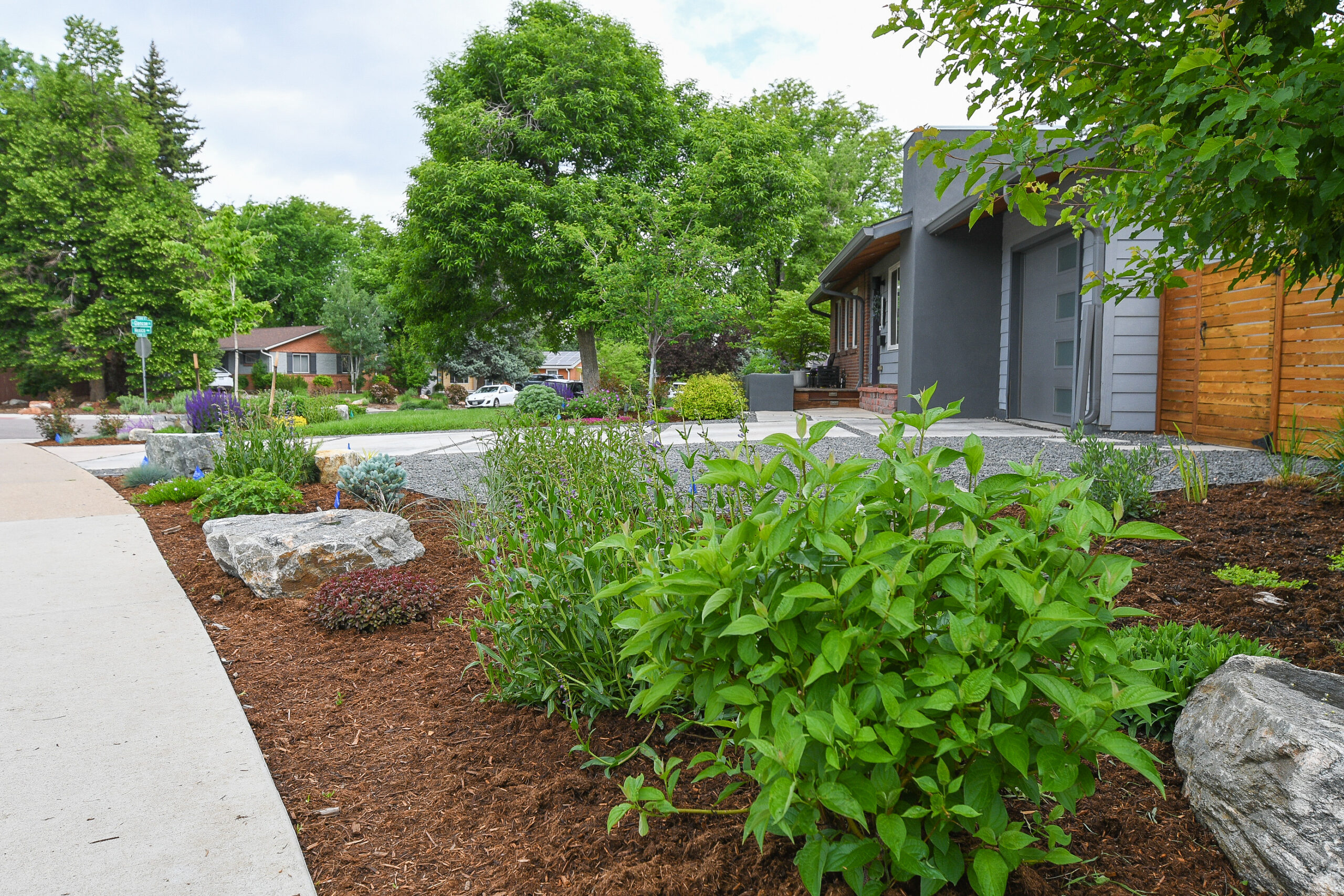
Zone Two: Intermediate Zone (five to 30 feet)
The area just beyond the immediate zone, called the intermediate zone, is a key landscaping area to maintain to reduce the intensity of potential fires before they reach your home. In this area:
- Space out your landscaping. Trees and plants should be spread out to prevent flames from spreading. When possible, leave at least 18 feet between treetops.
- Regularly clear dry and dead vegetation around your home and yard to reduce fire risk.
- Trim grasses back under four inches to reduce available fuel.
- Prioritize water-wise and low-flammability plants.
- Read more about water-wise and native grass substitutions in our Naturally Thornton blog, or explore the Plants and Alt Turf section of our H2Overhaul page for more planting recommendations.
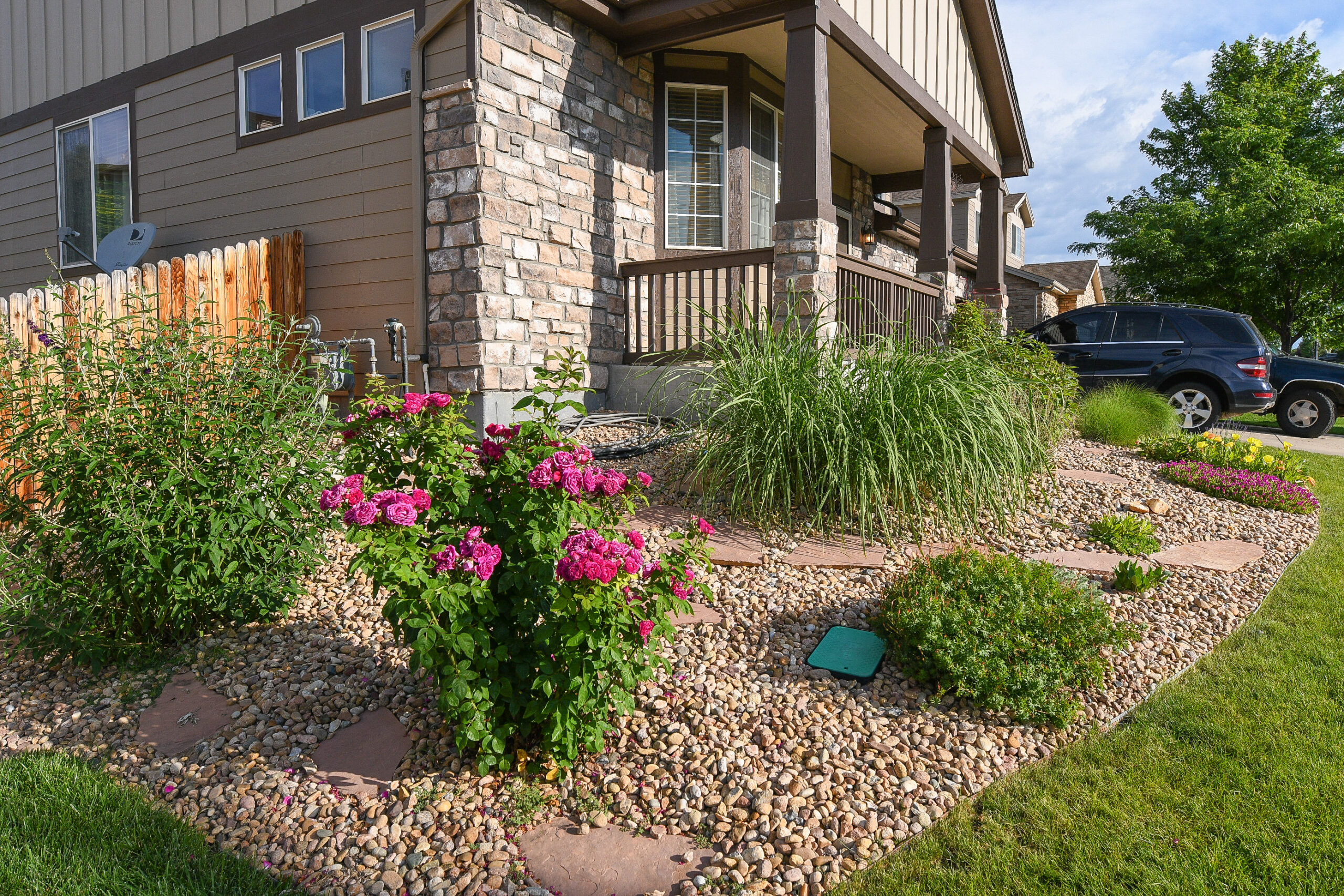
Zone Three: Extended Zone (30 to 100 feet)
If you have a larger property, you may also have an outer, extended zone to care for to help slow the spread of fire before it reaches your home. Simple maintenance in this zone can help decrease the overall intensity of a fire.
In this area:
- Focus on maintaining the natural landscape rather than removing it.
- Thin out overcrowded areas and remove dead or dry plant materials to help reduce the risk of fire moving quickly across your yard.
In all areas of your yard, use the cycle and soak watering method (break watering times into three short cycles) to encourage deeper roots and higher moisture content for a natural barrier to ignition.
Planning your yard with these zones in mind can significantly improve your home’s ability to resist fire.
Selecting Fire-Wise and Water-Wise Plants
The plants you choose for your garden play an important role in how fire behaves around your home or business. While no plant is completely fireproof, you can reduce fire risk by selecting drought-tolerant and water-wise plants.
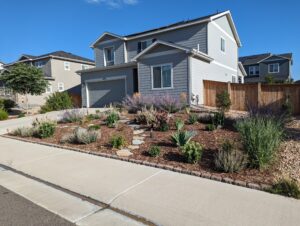
One of the most important factors in a plant’s flammability is moisture content. Plants that hold more water in their leaves and stems are less likely to ignite, while dry and brittle plants often contain oil or resins that ignite more easily. In general, plants that hold more moisture have soft, flexible leaves and stems. Plants that stay green and grow in a more contained shape are less prone to igniting.
In contrast, plants with higher oils or resin levels, such as pine or conifer trees, are more flammable, regardless of how well they are watered. Tall and loosely structured plants with fine twigs can also increase fire risk by allowing flames to spread more quickly.
When selecting plants for your landscape, look for water-wise varieties well-suited to Colorado’s dry climate. For example, perennials like Coneflowers and Evening Primrose are commonly used in Colorado landscapes and can be incorporated into fire-wise designs. When planning your garden, proper spacing helps prevent fire from easily moving between plants and reduces the buildup of fuel.
Get started by picking your own water-wise plants with Plant Select, purchasing a pre-selected and curated Garden In A Box kit from our partners at Resource Central, or learning more about selecting fire-wise plant materials from CSU Extension.
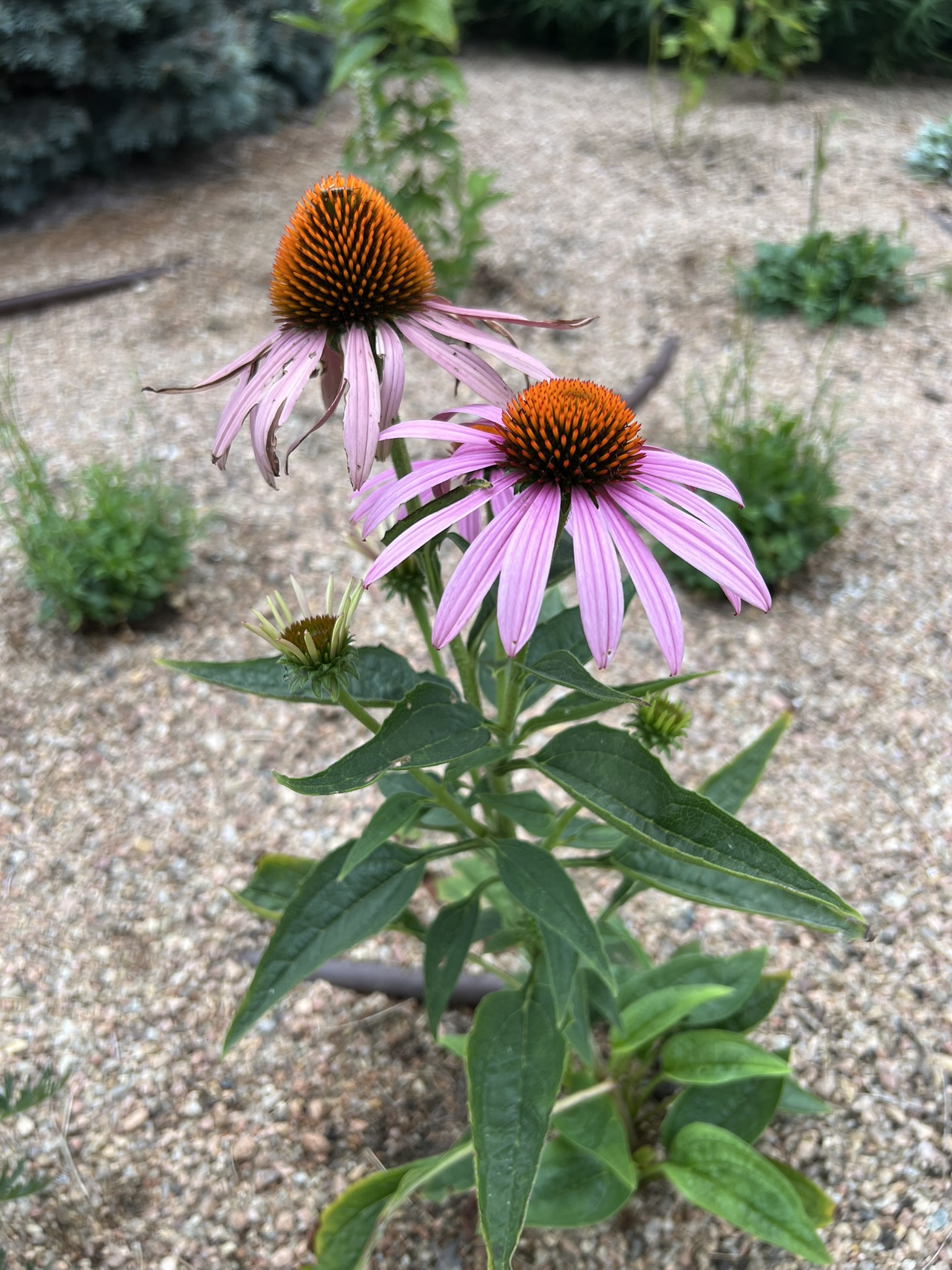
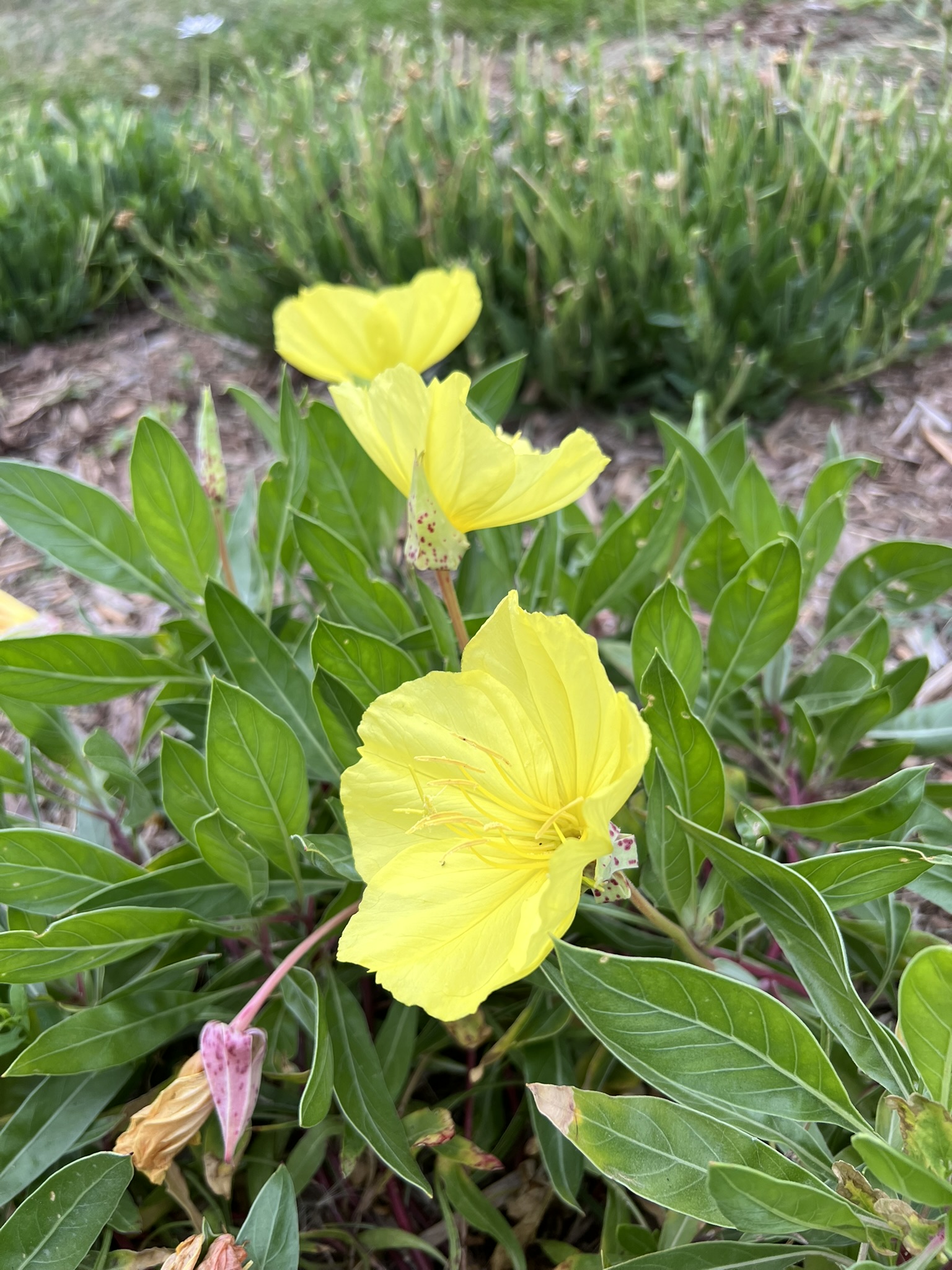
Many types of flowers that grow well in Colorado are both water-wise and fire-wise, including Coneflowers and Evening Primrose flowers.
How Does Thornton Manage and Reduce Fire Risk in Public Spaces?
During drought, Thornton faces an increased risk of fire. As hot, dry weather continues, drier landscapes across the city are especially vulnerable to catching fire from natural sources, human error or careless behavior. Thornton’s Parks Division prepares for fire danger in our public spaces by tailoring maintenance to minimize the fire risks and maximize our landscape resiliency.
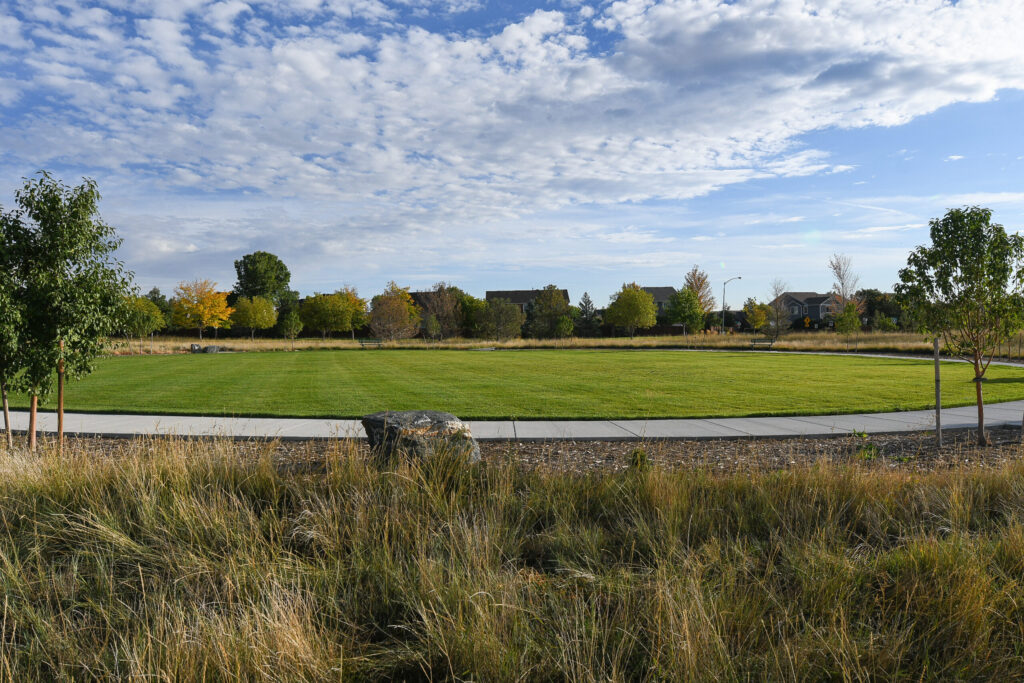
- Fuel Reduction: In wet years, Thornton’s Parks Division leaves tall grasses standing in open spaces. Native and water-wise grasses provide habitat for all kinds of animals, especially for overwinter nesting for pollinating insects. During extended dry periods, Thornton Parks and Open Space mows down the native grasses to reduce standing fuels.
- Breaks and borders: Parks also mows tall grass along city trails and property lines to provide defensible spaces and fire breaks, or gaps in vegetation that slow the progression of fires.
- Ladder removal: Thornton Forestry strategically cuts down or trims dead trees. Dry standing trees can lift a fire off the ground and into the air, which presents a danger to firefighters working under them. This also helps to maintain a healthy tree canopy throughout the city.
- Fire-resistant natives: Native grasses in low-traffic areas are naturally fire-wise and stay green without additional watering. These grasses put down deep roots over time and grab water from deep in the soil, even in extended drought conditions.
- Training: Thornton Open Space crews are trained in fire meteorology and wildland fire behavior, and the crew is led by an Incident Qualification card holder. Open Space’s management decisions are all made with an eye to fire mitigation.
Creating a fire-wise landscape does not require a complete redesign of your yard. Small and intentional changes, such as maintaining landscaping, removing debris, and selecting water-wise plants can make a meaningful difference. By taking a fire-wise approach, you can help protect your home while supporting a more resilient Thornton.
Additional Resources
- Visit the Thornton fire department webpage to learn more about Thornton’s fire education efforts.
- Check out the Fire-wise landscaping webinar by Resource Central.
- Learn about fire-wise plant varieties with CSU Extension.
- Explore the Thornton Parks and Planning page to learn about the Parks drought plan.