
Ask a Landscaper: Fall Tips for a Water-Wise Garden
Ask a Landscaper: Fall Tips for a Water-Wise Garden
Fall has officially arrived in Thornton. and you’ve probably noticed your plants, trees and grasses preparing for the cooler months ahead. Now is a great time to give your landscape some extra love. A few simple steps now can help your yard recover from the hot, dry summer and come back stronger next year.
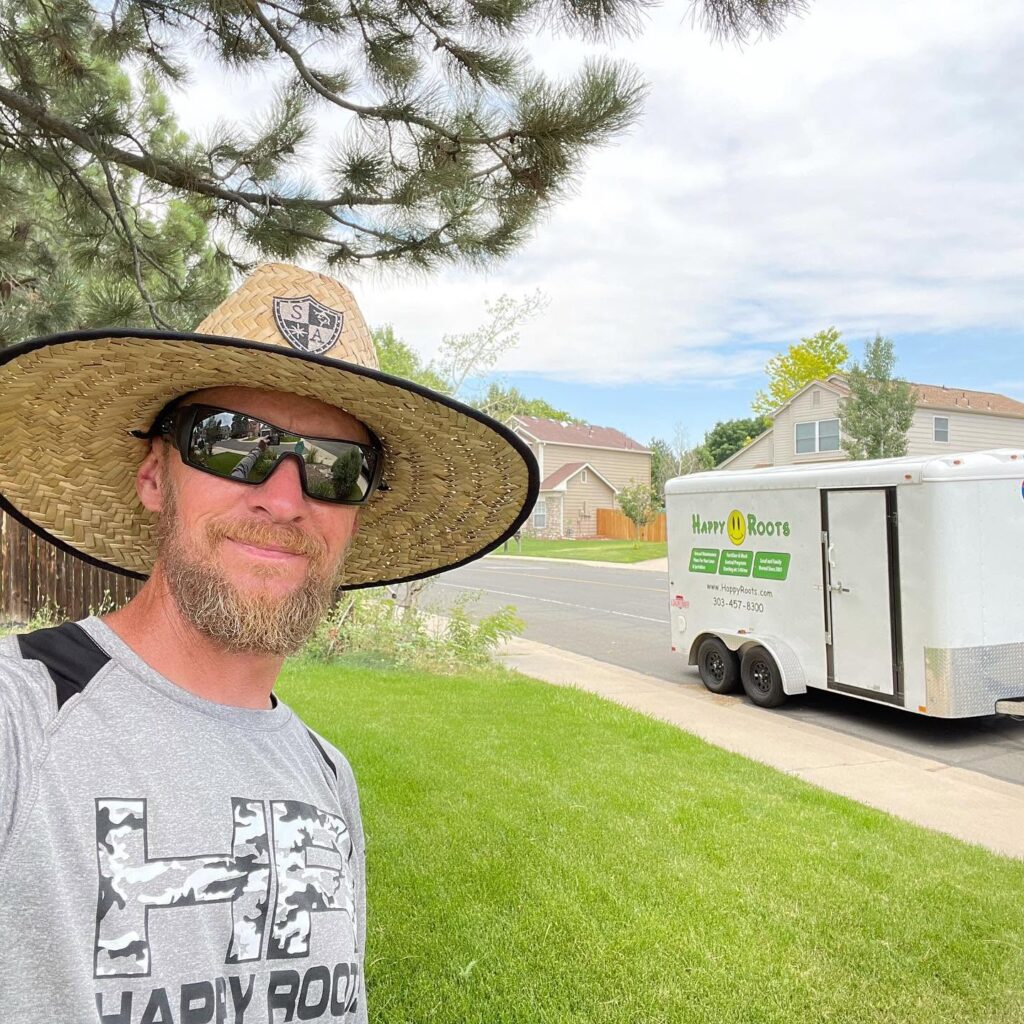
To help you get started, we chatted with an expert, Les Cowan from Happy Roots Inc., to gather his best tips on preparing a Colorado landscape for fall and winter while using water wisely.
Help Your Lawn Recover from Summer Stress
After months of drought, your lawn may be feeling the heat and showing signs of stress. Fall provides an opportunity to focus less on growth and more on what’s happening beneath the surface. As the air cools, plants will typically focus their energy on creating stronger, deeper roots beneath the surface. A few simple steps can help your lawn use this time to increase root depth and health to help it come back stronger next year.
Aeration
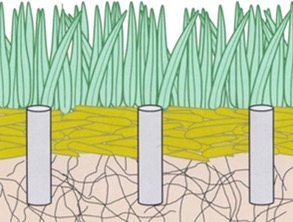
You can help encourage this natural process in your lawn through aeration, the process of removing small plugs of soil from your lawn to reduce compaction and create better access for air, water, and nutrients to reach the roots. This can help improve soil conditions without aggressively removing material from the surface of the lawn.
For lawns where water has difficulty soaking into the soil, Les recommends accompanying aeration with a wetting agent (see sidebar for explanation), which can help water spread more evenly through the soil instead of pooling or running off the surface.
What is a Wetting Agent for Lawns?
You may have heard of wetting agents like Revive Organic Soil Treatment and others. These products reduce water’s surface tension, allowing it to penetrate the soil, rather than pooling and running off your lawn.
Overseeding
If your lawn is looking thin or bare in spots, fall can also be a good time to overseed. Overseeding introduces new grass seed into your existing lawn. Aerating before overseeding creates openings where seeds can settle and germinate. Before overseeding, make sure you know what type of grass you have and choose a seed that is appropriate for your lawn and its growing conditions. Different grass types have different temperature, sunlight, and moisture requirements. Choosing the wrong seed can lead to poor germination or a lawn that struggles to establish. Most lawns in our area are Kentucky Bluegrass. If you would like to take a deeper dive, check out online tools like this fact sheet from Ohio State University or you can purchase this guide, Identifying Turf and Weedy Grasses of the Northern United States to help you identify your grass based on specific plant characteristics. If you are interested in replacing your lawn with a water-wise variety or even helping your existing lawn be more water-wise, check out this article on Selecting Turf Options from the CSU Extension team.
Fertilizing and Pest Prevention
Many lawns in Colorado’s Front Range are made up of cool-season grasses, meaning fall’s cooler air temperatures and warm soil create great conditions for seed germination and root development. For cool-season lawns, Les recommends a fall fertilizer blend to support this root growth. Fall fertilization can help grasses strengthen their root systems, build energy reserves, and better prepare for winter and the following spring. This is also a great time to treat your lawn for pests like Japanese beetles, which lay eggs in lawns in the fall and turn into grubs come spring.
Don’t Feel Like You Have to Power Rake
Power raking is the process of using a machine with rotating blades to remove thatch and dead grass material from the surface of a lawn. While it can be useful in some situations, deep power raking can stress or damage certain lawns, particularly when it removes healthy plant material.
Les recommends sticking with aeration, which focuses on clearing a direct path to your lawn’s roots to improve overall grass health without unnecessary stress.
What Should You Do with Fall Leaves?
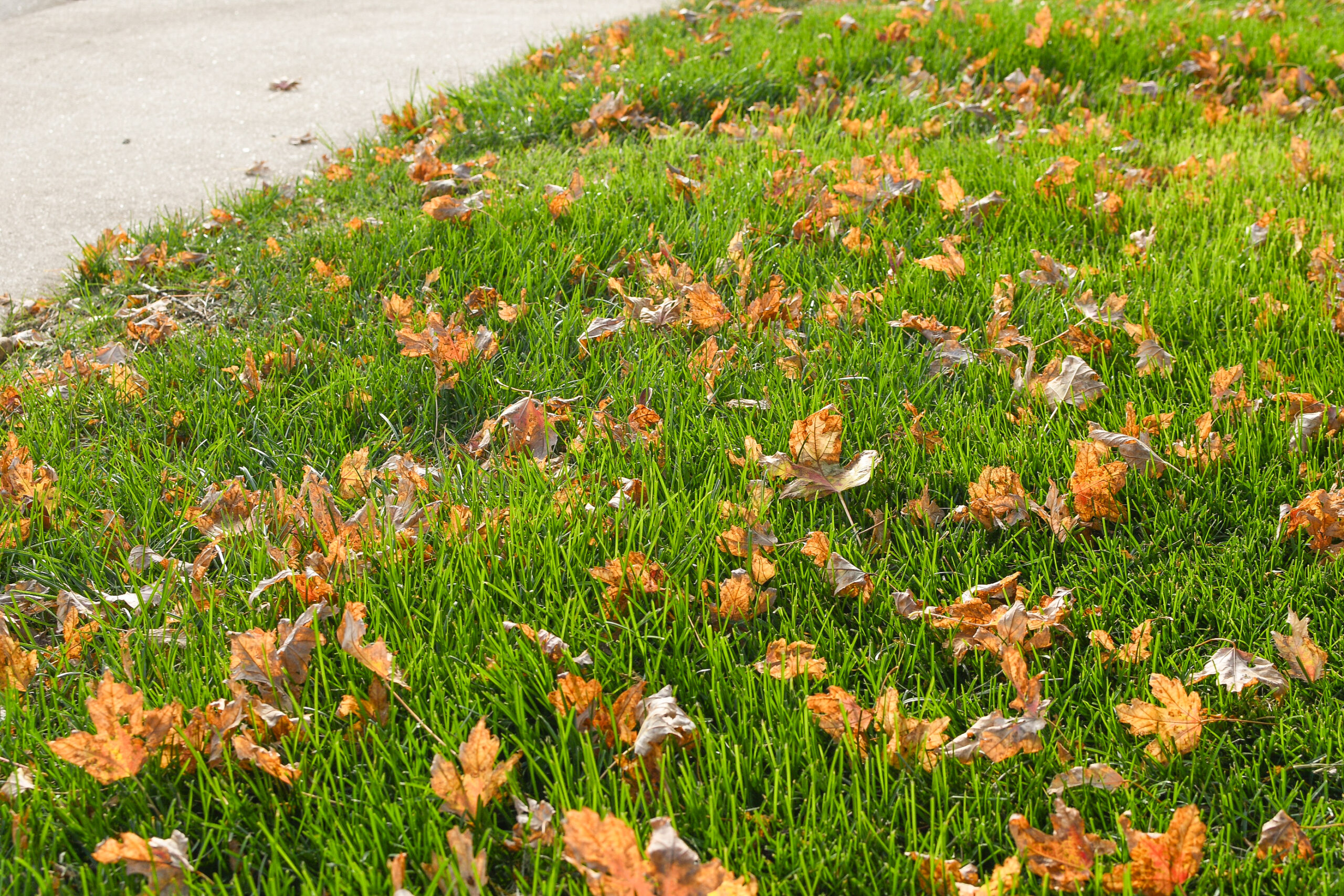
Once the leaves begin to fall, should you rake them all up or leave them where they are? The answer depends on how many leaves land in your yard and where they accumulate.
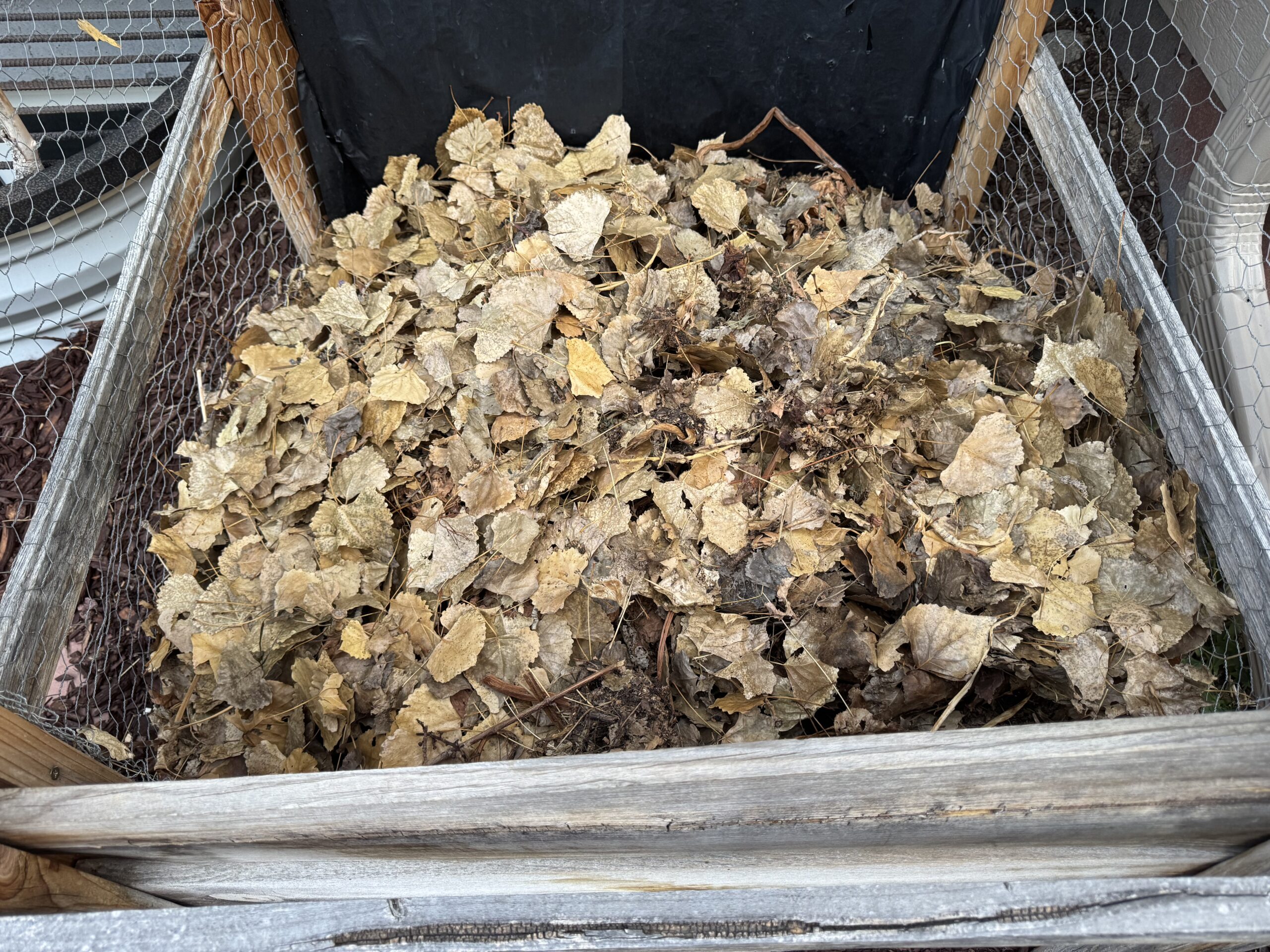
If you have a small amount of leaves, consider mulching them into the lawn rather than removing them. Leaves can break down and return organic material and nutrients to the soil. Leaves can also be used as a natural mulch in garden beds and other areas, helping protect the soil, conserve moisture, and reduce evaporation as temperatures drop.
If your yard has lots of trees, you may accumulate more leaves than your lawn can handle. A thick layer of leaves can block sunlight and air from reaching the grass and smother the lawn underneath. In those areas, remove excess leaves from the lawn until you can easily see the tips of the grass around the remaining leaves. You can use the excess leaves as mulch for your garden beds, compost them, or take advantage of Thornton’s composting program or a leaf drop-off event. If you have the space, you can also store the leaves to replenish your mulch over garden beds, bushes, and plants next spring.
Keep Adjusting Your Watering as Temperatures Cool
One of the biggest mistakes homeowners can make in the fall is simply leaving their summer irrigation schedule running.
As temperatures cool and days get shorter, landscapes generally need less water. Les recommends continuing to adjust your irrigation throughout the season by reducing the amount of time each zone runs and reducing the number of watering days when it’s appropriate for your lawn.
Paying attention to the conditions of your landscape and the weather in your area is an important water-wise practice. Following Thornton’s watering guidance and adjusting your schedule as seasonal conditions change can help your landscape stay healthy while conserving water. In Thornton, we recommend reducing lawn watering through the month of September and winterizing your irrigation system in October. Landscapes naturally enter dormancy as the weather cools and should only need minimal amounts of supplemental water through the winter.
Water Where Your Landscape Needs It
A properly programmed irrigation system can make a big difference in water efficiency, especially as you slow down your irrigation at the end of the year. Les says one of the common problems he sees is homeowners without a consistent watering schedule or with irrigation systems that have poor coverage.

If one area of your lawn is dry, increasing the watering time for the entire lawn may not be the answer. A dry spot could indicate an issue with sprinkler coverage, soil conditions, or compaction rather than a need for more water.
If you’re not sure whether your sprinkler system is working efficiently, make a reminder for the spring to take advantage of Thornton Water’s free sprinkler evaluations through Resource Central.
Preparing Your Sprinkler System for Winter
As cooler temperatures become more consistent, you’ll know it is time to prepare your irrigation system for winter.
Les recommends that the average homeowner plan to have their sprinkler system winterized around mid-October and no later than the end of October, although the timing can vary depending on the weather, the system and the homeowner’s ability to properly drain it.
Follow the steps in this video from our friends at the City of Broomfield to completely blow out your sprinklers and prevent costly leaks.
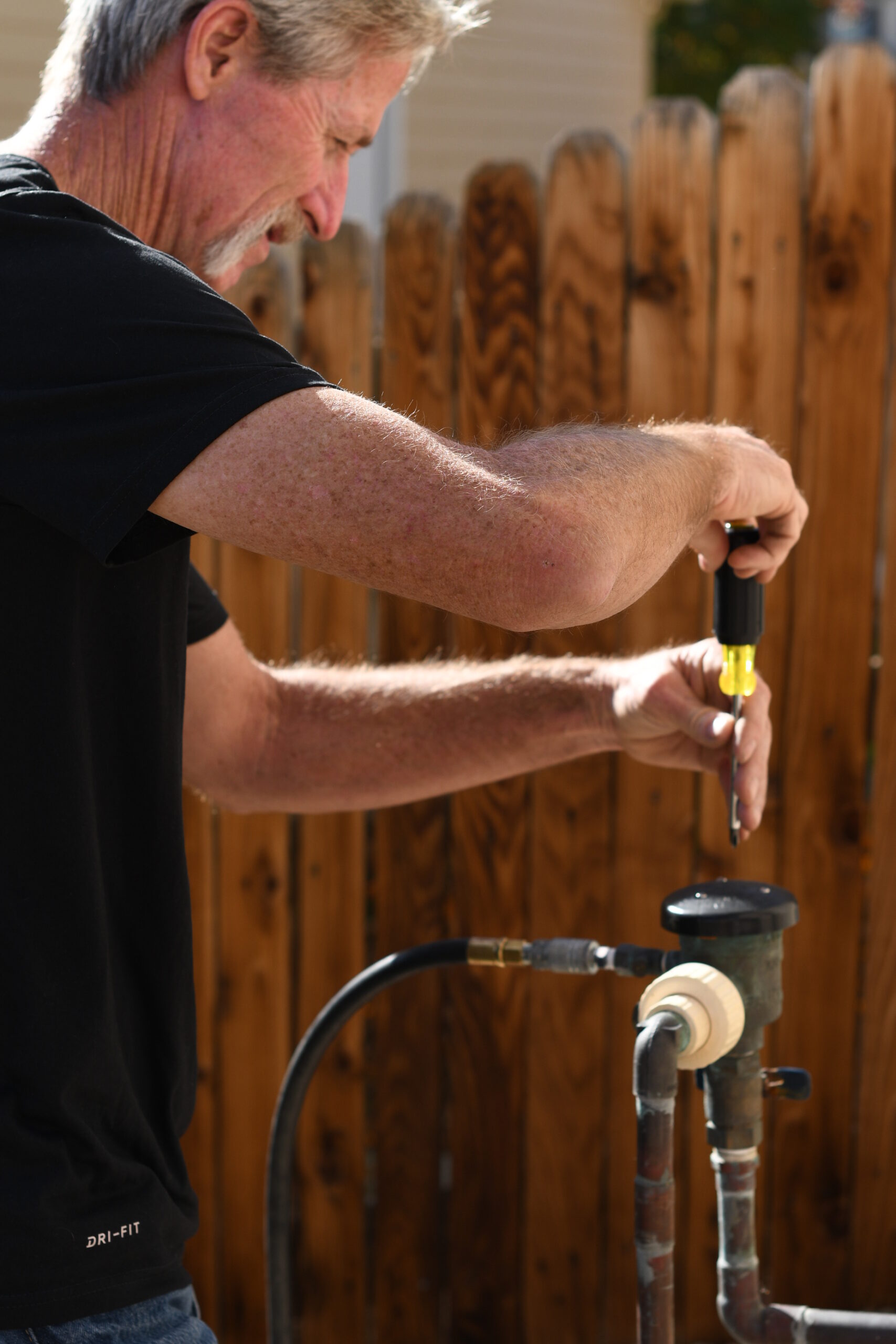
Winterizing helps prevent water remaining in irrigation components from freezing and causing damage. If you’re not comfortable winterizing your system yourself, consider hiring a qualified professional.
Keep an Eye Out for Leaks
Once your system has been winterized, you should still periodically check for signs of leaks. Les recommends paying attention to your basement shutoff valve and other areas connected to your irrigation system, as well as looking for unexpected wet or muddy areas in your yard.
Not sure how to check for a leak? Take our Finding and Fixing Leaks Quiz to learn what to look for and how to identify potential leaks around your home. You can also view your daily and hourly water usage to monitor for leaks on the WaterSmart portal.
Your Landscape May Still Need Water This Winter
Turning off your sprinkler system doesn’t necessarily mean your landscape should go completely without water until spring.
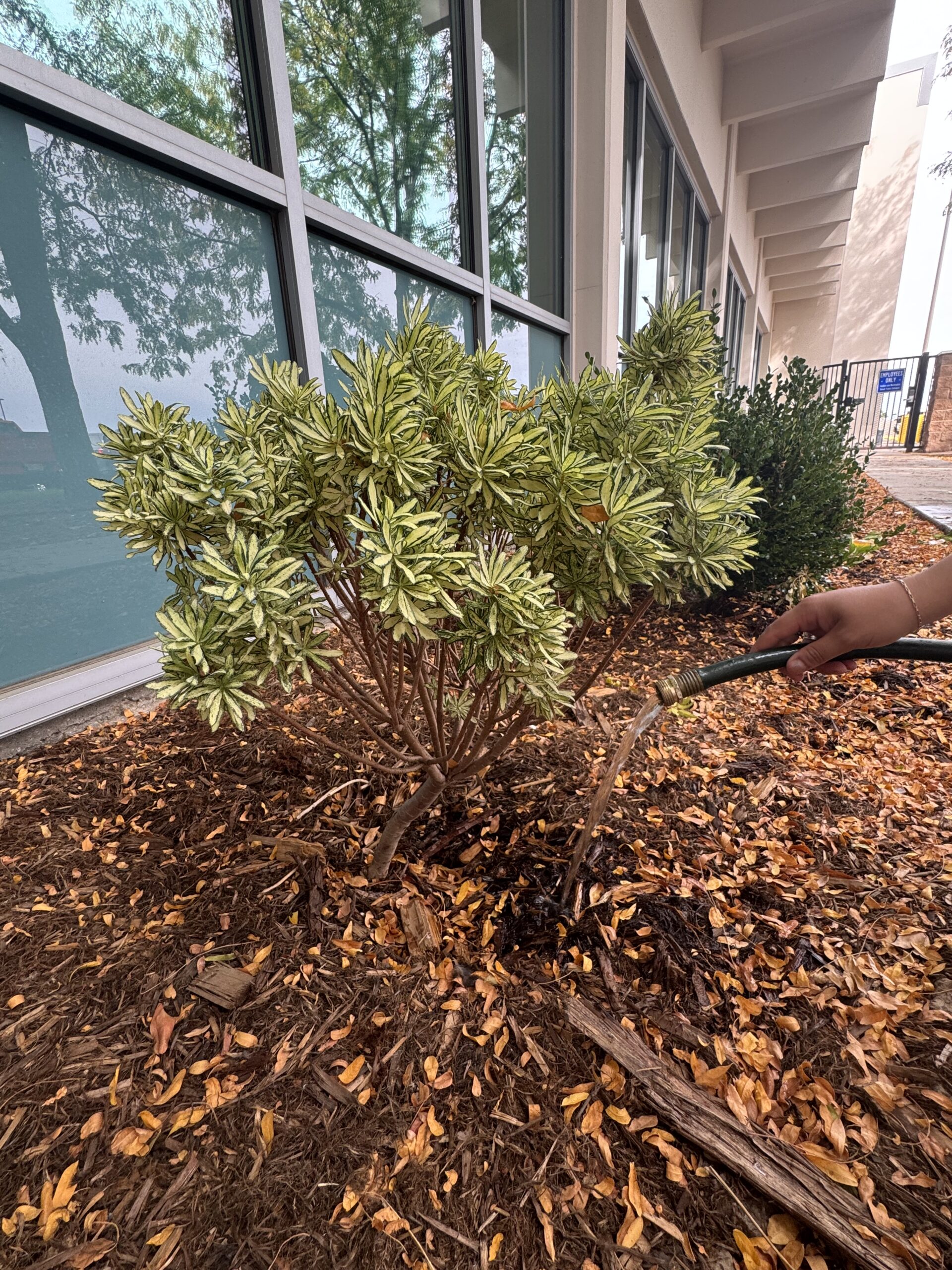
If drought persists, your trees, shrubs, and perennials may not get enough natural moisture to survive. During extended dry periods of three weeks or more without measurable precipitation, supplemental hand watering can keep your plants healthy in their dormant state. Pay particular attention to newly planted shrubs and trees and plants in exposed areas that are more likely to be affected by dry winters.
Apply water at the “drip line” – the area at the outer edge of the branches for the best access to the roots. Wait until temperatures are over 40 degrees Fahrenheit for at least a few hours to give the water time to soak into the soil before freezing. As a good rule of thumb, trees need about 10 gallons of water for each inch of the tree’s trunk diameter, applied every three weeks without precipitation. Plants and shrubs need between 5 and 10 gallons of water, depending on the size of the plant.
Using Winter Weather to Reconsider Water-Wise Habits
Fall is the time to step back and look at the bigger picture of your landscape. A healthy, water-wise yard isn’t created by using one product or landscaping technique. It comes from a combination of thoughtful plant selection, healthy soil, and efficient practices.
As you prepare your yard for winter:
- Adjust your watering schedule as temperatures cool rather than continuing your summer watering routine.
- Aerate compacted lawns to help air, water, and nutrients reach the root zone.
- Consider overseeding thin areas with grass seed appropriate for your lawn type.
- Use mulch and leaves strategically to help protect soil and retain moisture.
- Avoid unnecessary power raking, which can stress healthy lawns.
- Check your watering system for leaks throughout the year to avoid costly water waste and repairs.
- Remember trees and shrubs. They can have different watering needs than your lawn and may need water during extended dry periods.
Most importantly, Les recommends that homeowners become more intentional about their watering rather than simply watering more. A properly programmed system with good coverage can help make every drop count. Use the slower winter season to learn about Thornton’s Residential Rebates, HOA & Multifamily Rebates, and Commercial Rebates, and use the H2Overhaul guide to make a plan for a more water-wise landscape next year.
A healthy landscape doesn’t have to be a thirsty one. By taking a few intentional steps this fall, homeowners can help their yards recover from summer stress, prepare for winter and make smarter use of water year-round.
Get Help From a Professional Landscaper
- ALCC (Associated Landscape Contractors of Colorado) – Connect with qualified contractors
- Find an EPA Certified Irrigation Professional
- Hire a QWEL Pro – Qualified Water Efficient Landscaper
Thank you again to everyone who has supported our efforts so far and helped raise awareness about the importance of conserving water. Your actions and dedication make a meaningful difference in facing this challenge. With everyone working together and continuing to do their part, together we can weather the drought and create a more water-wise future.
Questions? Contact us at Water@ThorntonWater.com or 720-977-6600. For questions about your bill, visit goCOT.net/utilitybilling, email UtilBilling@thorntonco.gov or call 303-538-7370.